Custom Online 3D Printing Service
Get fast prototypes and parts with our 3D Printing Service. Enjoy instant online quotes, versatile material options, and cost-effective prototyping, all while maintaining precision and accuracy for your designs.
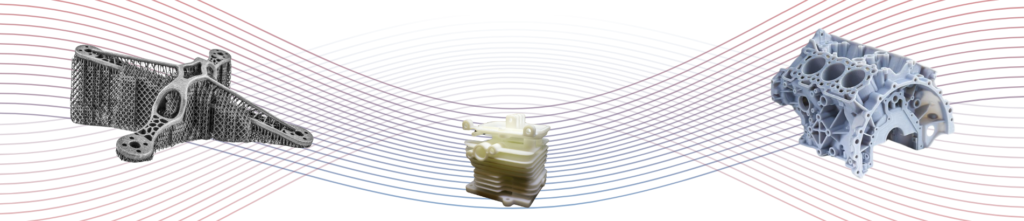
Start A New 3D Printing Quote
STEP | STP | SLDPRT | STL | IPT | 3MF | 3DXML | PRT | SAT files and more!
Kesu's Online 3D Printing Services: High-Quality Rapid Prototyping and Production Parts
KESU offers an extensive range of online 3D printing services designed to meet your prototyping and production needs. Leveraging cutting-edge technologies like FDM, SLA, SLS, and SLM, we provide precision printing in both plastics and metals. Our solutions enable the creation of intricate geometries that are otherwise impossible with traditional manufacturing, supporting customized one-off parts and small batch production.
Whether you’re looking for rapid prototypes or high-quality production components, KESU’s 3D printing services ensure flexibility, efficiency, and unmatched quality. Explore our versatile materials and advanced capabilities to bring your ideas to life seamlessly.
Materials of 3D Printing
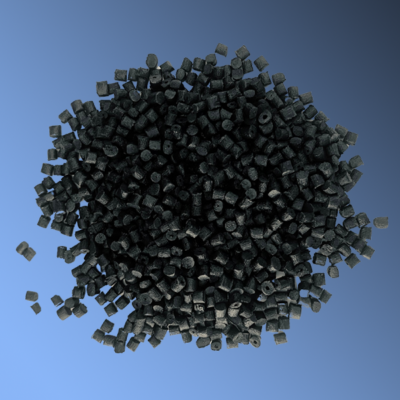
Durable Nylon
Durable Nylon is a popular material in 3D printing, known for its impressive strength, flexibility, and resistance to wear and chemicals. It is ideal for producing both functional prototypes and end-use parts, especially in industries like automotive, aerospace, and manufacturing. Its high durability allows it to withstand harsh conditions and high-stress environments, making it perfect for creating intricate designs and complex geometries. With its versatility, Durable Nylon offers excellent performance for a variety of demanding applications.
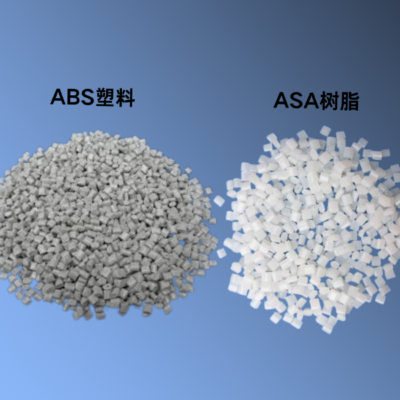
ABS and ASA
ABS (Acrylonitrile Butadiene Styrene) and ASA (Acrylonitrile Styrene Acrylate) are durable 3D printing materials. ABS offers excellent strength, impact resistance, and heat resistance, ideal for functional prototypes and automotive parts. However, it can warp during printing, requiring a heated bed. ASA is similar but provides superior UV resistance, making it perfect for outdoor applications. ASA also has better dimensional stability, reducing warping. Both materials are widely used for producing tough, long-lasting parts across various industries.
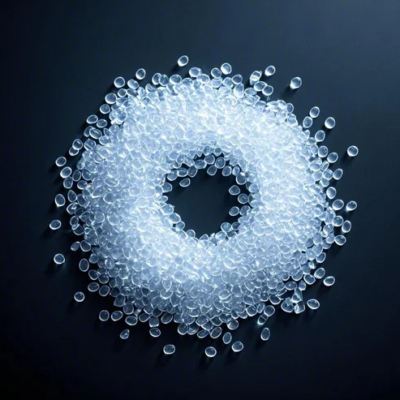
PETG
PETG (Polyethylene Terephthalate Glycol) is a popular 3D printing material known for its excellent durability, ease of use, and versatility. It combines the strength and temperature resistance of ABS with the clarity and flexibility of PET. PETG is resistant to impact, chemicals, and moisture, making it ideal for producing functional parts, prototypes, and enclosures. It also has a low shrinkage rate, ensuring high-quality prints with minimal warping. PETG is often used in industries such as automotive, consumer goods, and packaging, offering a balance of performance and ease of processing.
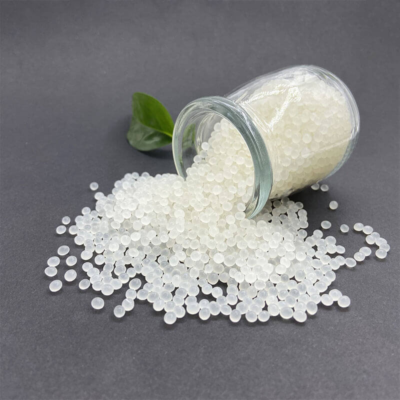
PLA
PLA (Polylactic Acid) is a widely used 3D printing material made from renewable plant-based resources, such as corn starch or sugarcane. It is known for being environmentally friendly, biodegradable, and easy to print with. PLA offers excellent print quality with minimal warping and can be used for a wide range of applications, from prototypes to decorative objects. While it may not be as heat-resistant or durable as other materials like ABS or PETG, PLA is ideal for creating intricate designs, models, and low-stress applications. Its low odor during printing makes it suitable for home and office use.

Ready to start making custom 3D printed parts?
Kesu 3D Printing Solutions
PROTOTYPING
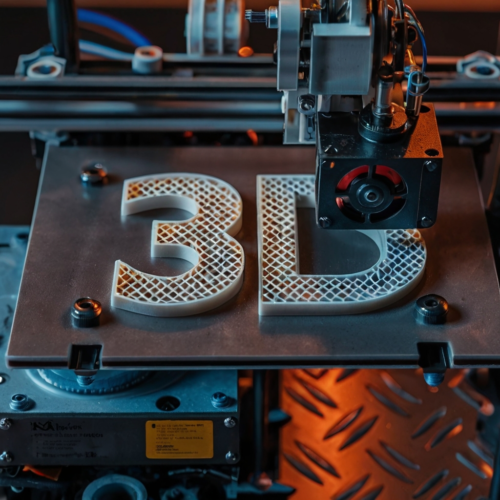
3D Printing
Begin your project with our quick 3D printing service, perfect for rapidly producing detailed prototypes and custom parts. Using cutting-edge technologies, we ensure high-quality, high-resolution prints with accurate tolerances.
Low Volume Production
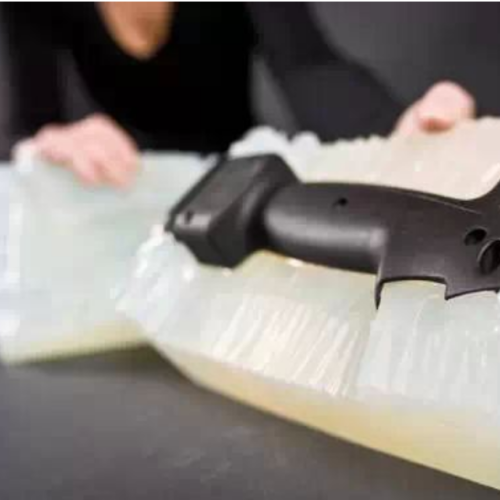
Vacuum Casting
Our urethane casting service fills the gap between prototyping and full-scale production. Ideal for low to medium-volume runs, it produces durable, high-quality parts with exceptional surface finish and fine detail.
High Volume Production
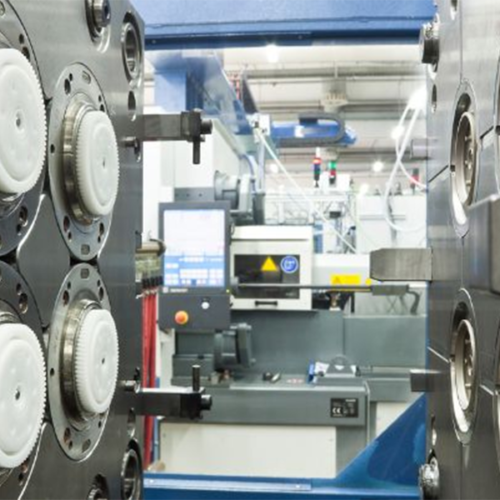
Injection Molding
For high-volume production, our injection molding service is the ideal solution. It ensures efficient production of large quantities of parts while maintaining high quality and precise specifications.
Kesu 3D Printing Capabilities
We offer a detailed overview of the unique standards for each 3D printing process, helping you make informed decisions for your printing requirements.
3D Printing Process |
SLA |
MJF |
SLS |
SLM |
|---|---|---|---|---|
Applicable Materials | Photopolymer Resins | PA, TPE, Elastomers, Nylon Powder, Aluminum Powder, TPU, etc. | PA, Glass-filled, Carbon Fiber Reinforced, Elastomers, Metal Powder | Stainless Steel, Titanium, Aluminum, Tool Steel, Cobalt-Chrome, etc. |
Min. Wall Thickness | 0.6mm for unsupported walls, 0.4mm for supported walls | At least 1mm, avoid overly thick walls | 0.7mm (PA 12) to 2.0mm (carbon-filled polyamide) | 0.8mm |
Layer Height | 25µm to 100µm | Around 80µm | 100–120µm | 30–50µm |
Max Build Size | 1400x700x500mm | 264x343x348mm | 380x280x380mm | 320x320x400mm |
Print Speed | Slow, ideal for high-precision parts | Medium speed, suitable for small to medium batch production | Slow, suitable for complex shapes and medium volume parts | Fast, suitable for high-density metal parts production |
Applications | Small, precise parts, complex geometries, medical models, jewelry | High-performance parts, low-volume production, rapid prototyping | High-strength plastic parts, mechanical components, functional prototypes | High-strength metal parts, aerospace, automotive, medical applications |
Dimensional Tolerance | ±0.2mm (apply 0.15% for >100mm) | ±0.2mm (apply 0.25% for >100mm) | ±0.3mm (apply 0.35% for >100mm) | ±0.2mm (apply 0.25% for >100mm) |
Surface Finish | High precision, smooth surface, suitable for fine details | Good surface finish, suitable for functional parts | Decent surface finish, may require post-processing | Good metal surface quality, suitable for precision metal parts |
Standard Lead Time | 4 business days | 5 business days | 6 business days | 6 business days |
Post-Processing Needs | Typically requires support removal and surface polishing | Requires support removal and powder cleaning | Often requires post-processing such as support removal and sanding | Requires post-processing like support removal, heat treatment, and surface polishing |
KESU PLATFORM
One Easy-To-Use Platform From Quote to Delivery
Need fast, high-quality 3D printed parts? Upload your 3D model files, such as [.STP], [.STEP], or [.STL], to our platform for smooth integration. Our advanced algorithms analyze your design and provide an instant custom quote, optimizing manufacturability.
Select from a wide range of materials and finishes, with expert guidance to balance cost, functionality, and aesthetics. Using high-resolution 3D printers, we ensure your parts are precise and meet your exact specifications. Each print goes through strict quality checks, and fast turnaround times mean you can receive your parts as soon as the next day.
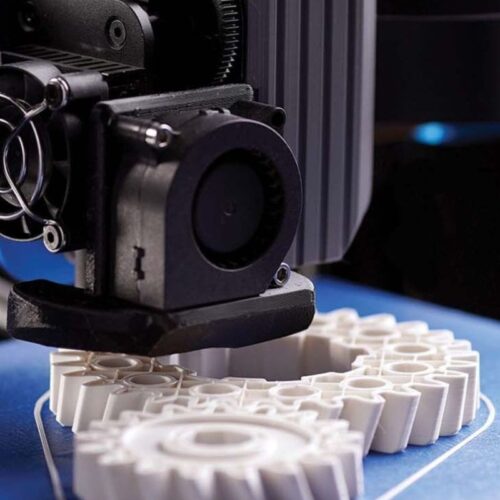
What Is 3D Printing?
3D printing, or additive manufacturing, is a process where objects are created layer by layer from a digital design. It begins with a 3D model, usually made with CAD software, which is then sliced into thin layers. The printer adds material layer by layer to form the final object.
Unlike traditional manufacturing methods, which subtract material, 3D printing allows for the production of complex and customized shapes that are difficult or impossible to achieve using other techniques.
Used across industries such as aerospace, automotive, healthcare, and consumer products, 3D printing is ideal for rapid prototyping, creating unique parts, and minimizing material waste, offering both flexibility and sustainability in modern manufacturing.
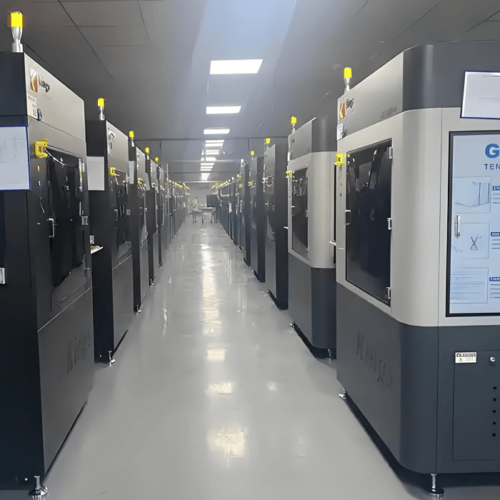
How to Select 3D Printing Process
Selecting the right 3D printing process depends on several factors, such as material, complexity, and size. For intricate designs, SLA or SLS are ideal due to their precision and ability to create detailed parts. FDM is more suitable for simpler, larger models, while SLS and SLA are better for parts requiring higher mechanical properties.
Additionally, consider factors like part size and production quantity. FDM and SLS are effective for larger parts, while processes like SLA or PolyJet are better for fine surface finishes. Always evaluate material requirements, cost, and desired outcome when choosing the right process for your needs.
Advantages of 3D Printing
3D printing has many advantages over traditional methods:
- Design Flexibility: Enables complex, intricate designs not achievable with traditional methods.
- Customization: Easily customize parts for personalized products or prototypes.
- Faster Prototyping: Speeds up the process from design to testing.
- Reduced Waste: Uses only the necessary material, minimizing waste.
- Lower Production Costs: Cost-effective for small runs, eliminating expensive molds and tooling.
- On-Demand Production: Produces parts as needed, cutting inventory and warehousing costs.
- Complex Geometry: Creates parts with complex shapes impossible with traditional manufacturing.
Custom 3D Printing Applications
3D printing offers a wide range of applications for different types of parts:
- Prototyping: Rapid creation of functional prototypes for testing and development.
- Healthcare: Customized medical devices, implants, and prosthetics tailored to patient needs.
- Aerospace: Lightweight, intricate components designed for efficiency and performance.
- Automotive: Custom parts, fixtures, and tools for production and repair.
- Consumer Products: Personalized items such as jewelry, home decor, and accessories.
- Education: Models for hands-on learning in engineering, science, and design.
- Architecture: Detailed models to visualize and refine design concepts.
Why Choose Kesu for 3D Printing?

Quality Assurance
Kesu employ rigorous quality control measures throughout the milling process, ensuring that each part meets or exceeds your expectations. Advanced inspection equipment further guarantees accuracy.

Competitive Pricing
Without sacrificing quality, Kesu offers competitive pricing for our custom services. We strive to provide cost-effective solutions, making advanced manufacturing accessible to businesses of all sizes.

Exceptional Customer Service
Kesu‘s dedicated customer support team is always ready to assist. From initial inquiries to project completion, we maintain open communication, ensuring a seamless and satisfying experience.
FAQs About 3D Printing
3D printing ensures high precision, meeting strict specifications effectively. At RapidDirect, we offer a standard tolerance of ±0.1mm, suitable for most designs. Depending on material, complexity, and size, tolerances may vary. For intricate parts, adjustments are made for optimal results. Simply upload your 3D and 2D files to our platform, and our experts will assess your project, recommending the ideal printing process and tolerances to meet your quality and functional requirements.
The time required to 3D print parts depends on various factors, including the size, complexity, material, and chosen printing technology. Small and simple parts can often be completed within a few hours, while larger or more intricate designs may take a day or longer. At Kesu, we prioritize efficiency and quality, offering fast turnaround times. Once your design is submitted, we’ll provide an accurate lead time estimate based on your specific project requirements.
The maximum size of 3D prints varies depending on the technology and equipment used, allowing for flexibility to meet diverse project needs. At Kesu, our capabilities include:
- SLA (Stereolithography): Large build volumes up to 1400 x 700 x 500 mm, ideal for detailed prototypes and large parts.
- MJF (Multi Jet Fusion): A maximum size of 264 x 343 x 348 mm, offering precise, functional parts with excellent material properties.
- SLS (Selective Laser Sintering): Prints up to 380 x 280 x 380 mm, suitable for complex geometries and durable prototypes.
- SLM (Selective Laser Melting): Metal parts up to 320 x 320 x 400 mm, ensuring strength and precision for industrial applications.
At Kesu, we support a wide range of file formats to ensure compatibility with our 3D printing systems. We recommend using STEP (.stp) or STL (.stl) files, as they offer the best accuracy and detail for 3D printing. If your design is in another format, we suggest converting it to STEP or STL for optimal results. These formats retain the geometric data and intricate details essential for producing precise, high-quality prints. If you need assistance with file conversion or have questions about other formats, our support team is available to help.
When choosing the right 3D printing technology, it’s essential to consider factors like material compatibility, part design, and intended use. For example, technologies like SLA (Stereolithography) offer high precision and fine details, making them ideal for intricate prototypes. On the other hand, FDM (Fused Deposition Modeling) is more cost-effective and suitable for larger parts, though it may sacrifice some level of detail.
Additionally, production speed, cost, and durability are important considerations. If you're working with metal parts or need components that can withstand high stress, technologies like SLM (Selective Laser Melting) or SLS (Selective Laser Sintering) are great options. For quick, low-cost prototyping, MJF (Multi Jet Fusion) may be the best choice. To ensure you make the right decision, consult with experts who can guide you toward the most appropriate technology for your project’s unique requirements.